
Blog
How SafeW encrypted chat protects teams
Practical guide to How SafeW encrypted chat protects teams, covering SafeW secure messaging, private deployment IM and encrypted chat.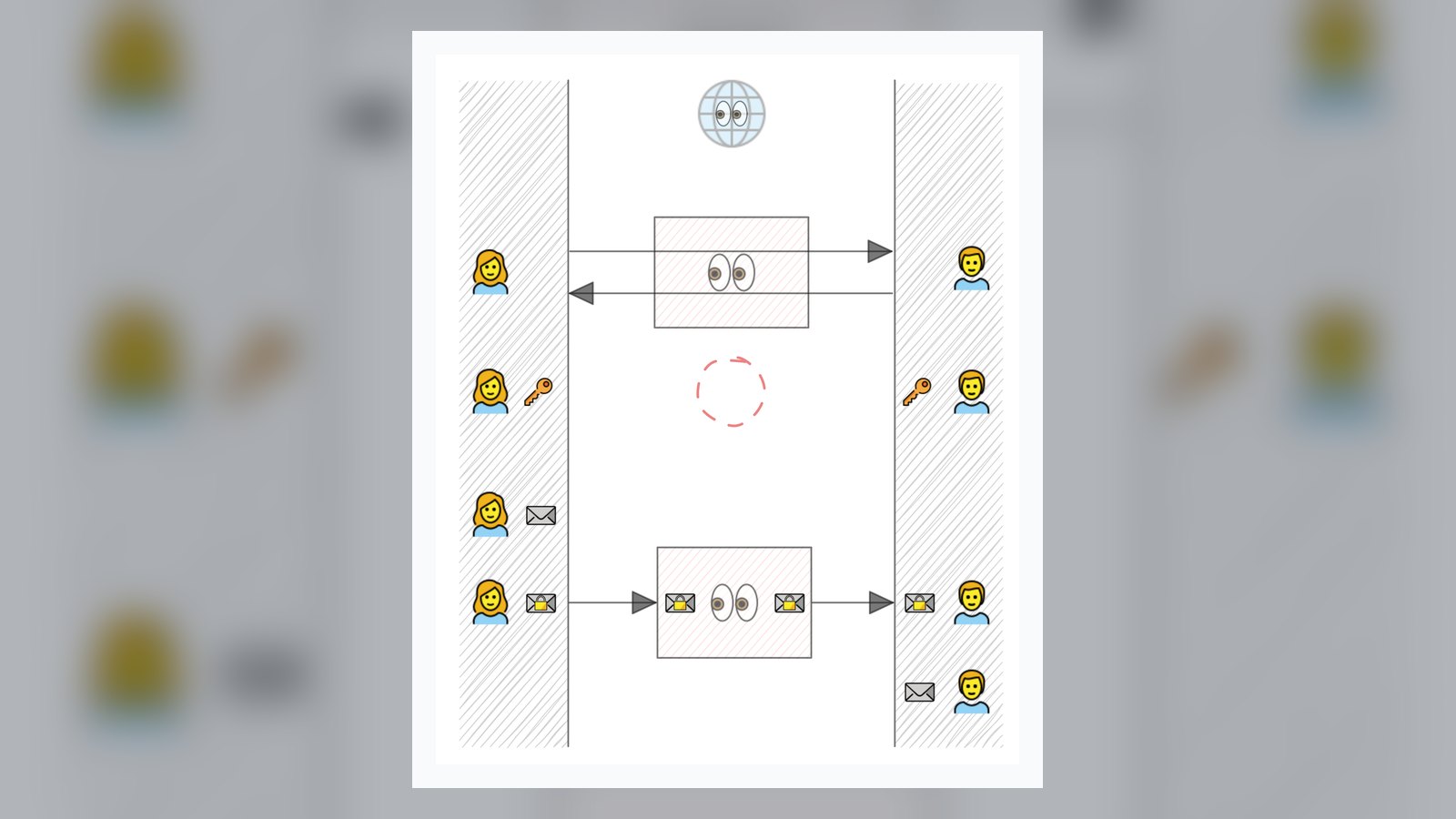
SafeW is designed for secure enterprise communication. Message risk often appears during transmission, endpoint access, member changes and file forwarding. Teams should review the full path from sending to viewing and offboarding, not only the word encryption. This article explains how to evaluate the topic in real workflows, which rules should be set before rollout and how teams can balance security with daily efficiency.
Start with the business scenario
Before choosing any messaging system, separate communication objects into employees, customers, partners and temporary project members. Then review which conversations include contracts, accounts, technical materials, customer records or internal notices.
- Check the encrypted delivery path and public access points used by team members.
- Connect device access with login policy so new phones and desktops are traceable.
- Align group membership with project stages, role changes and external cooperation.
- Include files and images in the security review, not only text messages.
The goal is not to make every conversation heavy. Routine notices can prioritize reach and speed, while sensitive project groups should focus on member changes, file sharing, device access and message history. This makes SafeW private deployment, encrypted communication, multi-device sync and group collaboration easier to apply.
Connect product capability with management rules
Secure communication works best when features and operating rules move together. Companies should define where accounts are created, who can invite external members, who cleans up groups after projects end, how important files are shared and who handles abnormal login events.
- List high-sensitivity groups such as contracts, finance, delivery and API discussions.
- Assign an owner to each group and review internal and external members regularly.
- Prepare response flows for lost devices, abnormal accounts and files sent by mistake.
- Finish security training during the first launch week using realistic examples.
A practical rollout should make the tool part of daily work. If the process feels too difficult, users may return to personal chat tools. If administrators only look at technical settings, they may miss the real habits of business teams. A one-page checklist for scenarios, accounts, devices and incidents is often enough to make training clear.
Use a small pilot before scaling
Start with one real department for 7 to 14 days and keep the pilot around 20 to 50 users. Track message response time, file search time, administrator workload and user feedback. When the pilot is stable, expand to more departments or connect SafeW Bot/API with support, sales, R&D or operation systems.
For more secure communication and private deployment practices, continue reading the SafeW Blog.